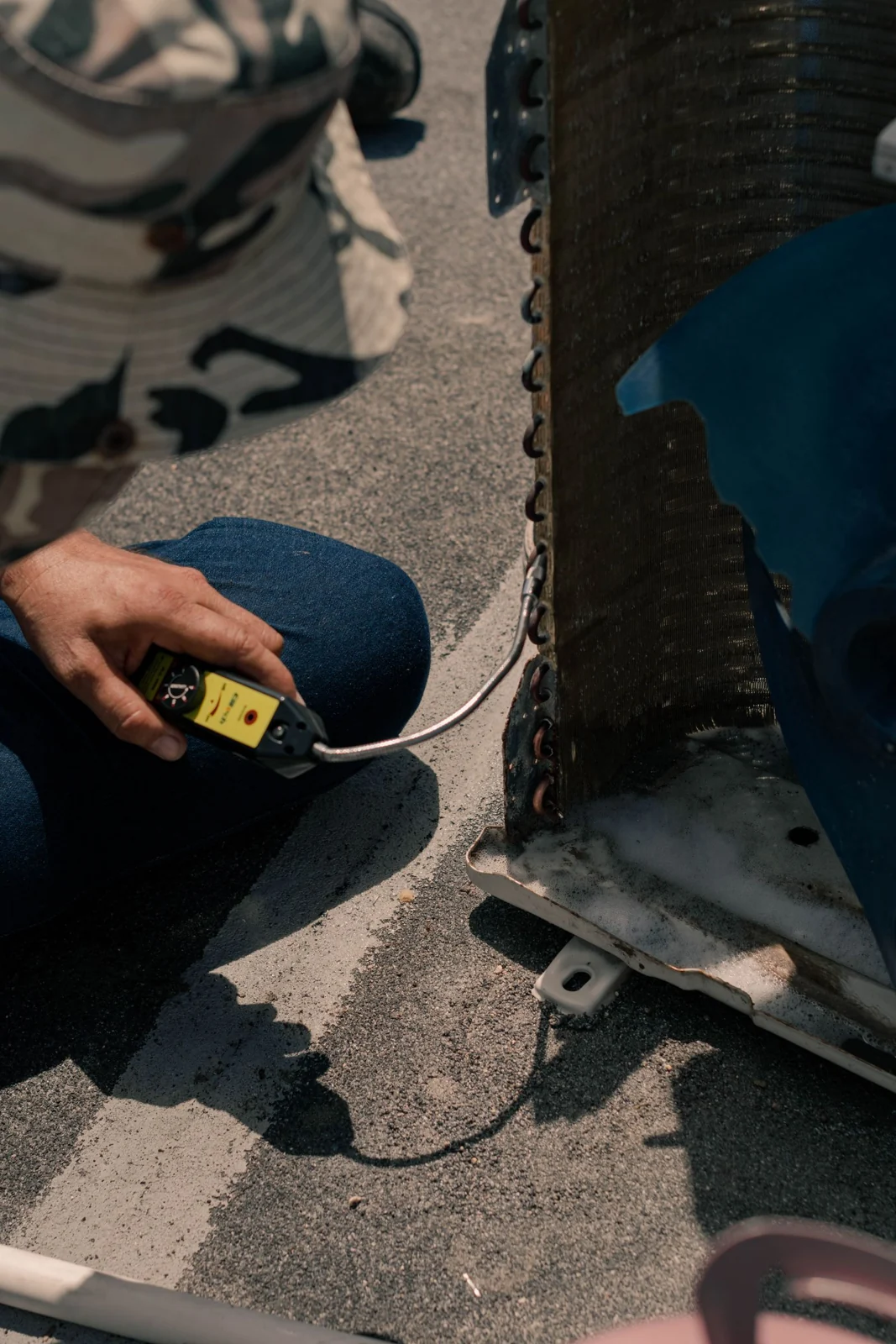
Describe what you notice
Is air moving from the vents? Does the problem affect the whole home? Record the thermostat setting and when cooling stopped keeping up.
Gather equipment details
Use information already accessible to you, such as a model label or previous service invoice. There is no need to open the unit.
Ask before booking
Confirm diagnostic fees, appointment availability and whether the provider services your equipment. Ask for approval to be requested before chargeable work.
Whole home or one room?
Write down which rooms feel different and whether the symptom changes during the day. A note such as "the upstairs bedroom becomes warm in the afternoon, while the downstairs rooms stay comfortable" is more useful than a guessed component failure. Include whether interior doors were open or closed and whether the problem is new. These observations help define the complaint; they are not proof that any particular repair is needed.
A short service-request example
Your notes can follow this format: equipment type if known; when the problem started; rooms affected; thermostat setting; what the system appears to do; and any recent work. Do not include sensitive household information in a public post. Keep the notes for the provider you contact. Ask whether the appointment is diagnostic and whether you will receive an estimate before any repair begins.
Keep the outcome measurable
Ask the technician to connect the findings to your original complaint. What work addresses the warm air or uneven room temperature? What was tested after the work? Which observations should you watch for afterward? Keep the answer with the invoice. If the same symptom returns, the first diagnosis and work record give the next conversation a clear starting point.