What a heat pump does
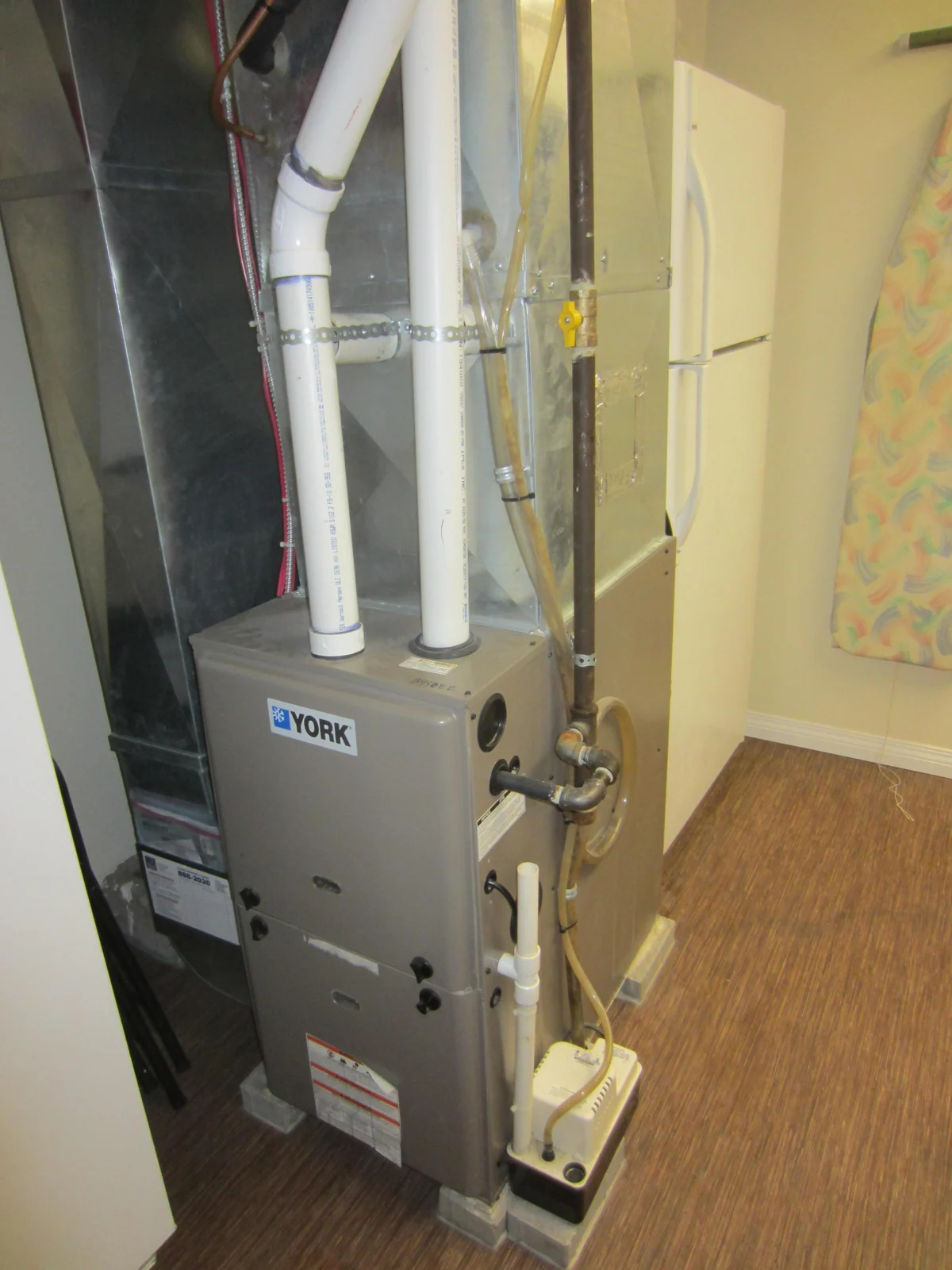
A heat pump transfers heat and can provide heating and cooling. It may distribute air through ducts or use ductless indoor units. That makes the cooling system part of a heating replacement conversation as well. Identify what your current equipment does before comparing proposals; replacing one component and changing the whole system are different projects.
Start with your existing home
List the heating equipment, cooling equipment and how conditioned air or heat reaches the rooms. Ask the installer which components would stay and which would change. Include rooms that are difficult to keep comfortable and any planned home improvements. Request a proposal that explains the work needed in your home, rather than treating a product category as a complete installation plan.
Ask about cold-weather operation
Discuss how the proposed heat pump is selected for the local conditions and whether any supplemental heating is included. ENERGY STAR distinguishes cold-climate equipment and discusses dual-fuel arrangements. Ask how the controls switch between operating modes and how the provider will explain their normal use. Do not assume all products bearing the heat-pump name have identical performance.
Compare the service and installation scope
Ask who will service the proposed equipment, what manufacturer instructions you will receive and how warranty questions are handled. If the proposal retains an existing furnace, request the compatibility and control arrangement in writing. If it removes the furnace, ask which additional work is included. The comparison should account for the actual components and labor, not only the name of the outdoor unit.
Keep the decision specific
Request written alternatives suited to the home and ask the provider to state any assumptions behind operating-cost estimates. Household use, the equipment selected and energy prices can change the result; this guide does not predict savings. Use the written scope to decide which option addresses the comfort problem and fits your plans, then keep the records for future service.