
Storm damage is not always obvious from the ground. Strong winds, hail, heavy rain, and flying debris can loosen shingles, damage flashing, expose roof edges, or create small leak paths that may become more expensive if they are ignored.
This guide explains how storm damage affects roofing systems, what warning signs homeowners should look for, when a roof inspection may make sense, and when repair or replacement evaluation may be needed. Homeowners can also browse Recent Local Roofing Pages for Florida, Texas, and Georgia.
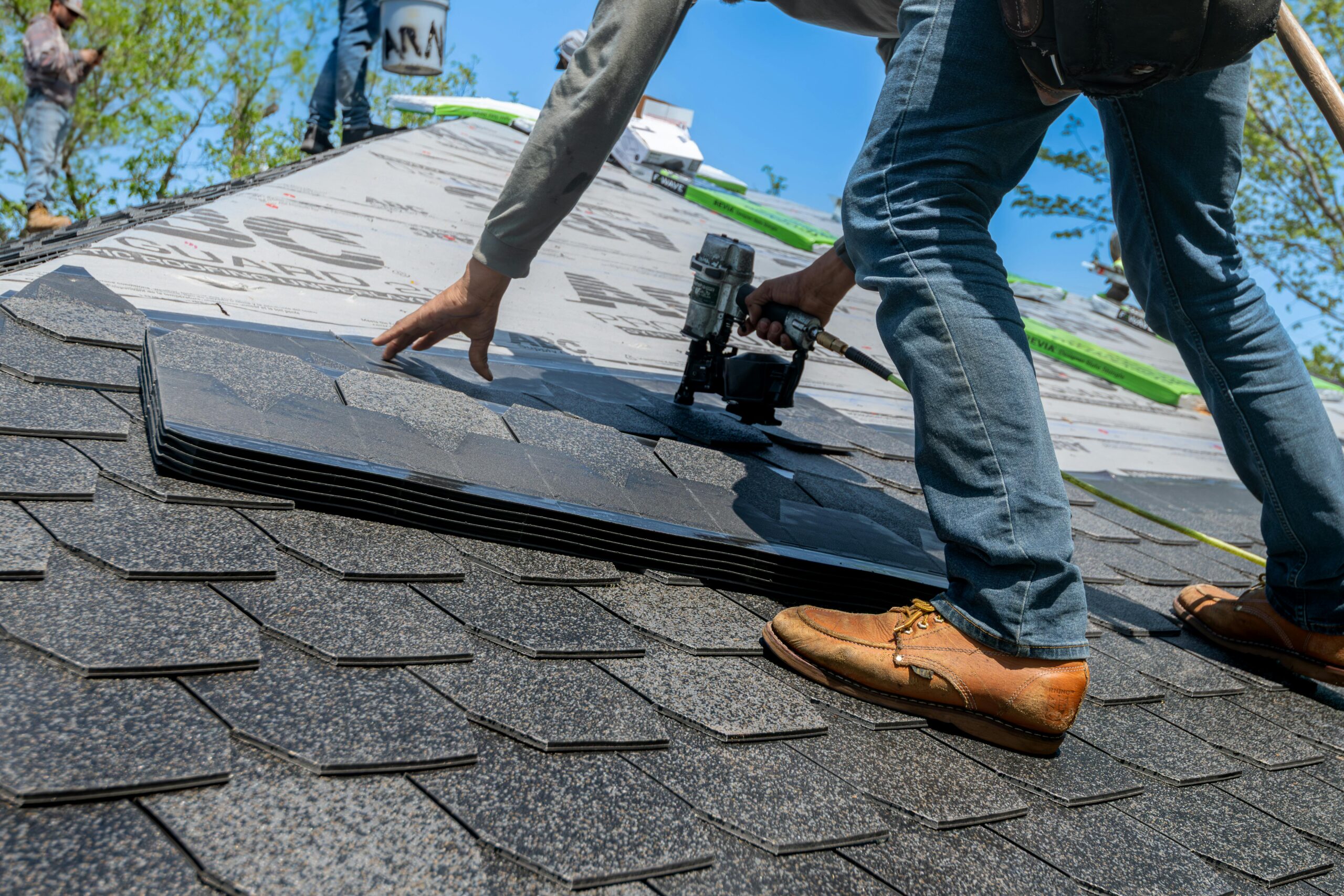
Understanding Storm Impact on Roofing Systems
Storm damage can affect different parts of the roofing system at the same time. Asphalt shingles may lift, loosen, bruise, or lose granules. Flashing, vents, gutters, skylights, and roof edges may also show signs of impact or movement after severe weather.
A roof may still look normal from the street even when damage exists on higher slopes, valleys, ridges, or metal components.
High-Wind and Wind Uplift Damage
Strong wind can lift shingles, weaken seals, move flashing, and expose areas where rain can enter the roofing system. Damage may be worse near roof edges, valleys, ridges, and areas where wind pressure is strongest.
- Lifted or creased shingles after strong wind activity
- Loose flashing near roof edges, valleys, chimneys, or vents
- Missing shingles or exposed underlayment after a storm
- New leaks or ceiling stains after heavy wind and rain
If wind damage is suspected, a roof inspection can help determine whether repair, replacement evaluation, or monitoring is the next step.
Hail and Impact Damage
Hail and flying debris can leave impact marks that are difficult to see without a close roof inspection. Granule loss, shingle bruising, dented vents, damaged gutters, and cracked seals can all point to possible storm-related roof concerns.
- Granule loss on shingles or inside gutters
- Dented vents, flashing, or gutters after hail impact
- Soft impact marks or dark spots on asphalt shingles
- Damaged roof penetrations around vents, skylights, or exhaust covers
After hail or impact activity, a local roofing contractor can inspect visible damage and explain whether repair or replacement evaluation may be needed.
Storm Damage Roof Repair vs. Replacement
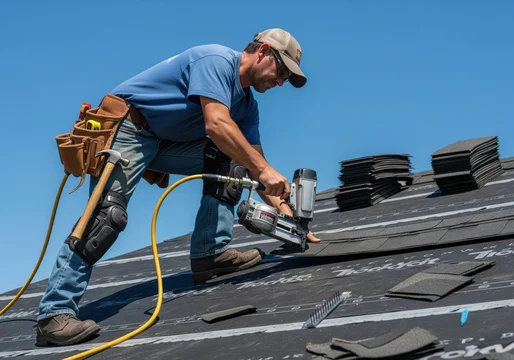
Not every storm-damaged roof needs full replacement. In some cases, a contractor may recommend targeted repairs if the damage is limited and the roof is otherwise in good condition. In other cases, widespread shingle damage, older materials, repeated leaks, or water intrusion may make replacement evaluation the safer long-term option.
- Damage spread – damage across multiple slopes may require more than a small repair
- Roof age – older roofing systems may be more vulnerable after severe weather
- Leak history – repeated leaks can point to deeper roof system concerns
- Local code or layering issues – requirements should be confirmed with a licensed local contractor
A local roofing contractor can inspect the roof and explain whether repair, replacement evaluation, or additional documentation may be appropriate.
Storm Damage Warning Signs Homeowners Can Check
Homeowners should not climb on the roof without proper safety equipment, but several warning signs may be visible from the ground or inside the home after a storm.
- Granules in gutters or near downspouts
- Missing, lifted, or shifted shingles visible from the yard
- Water stains on ceilings, walls, or attic areas
- Dented gutters, vents, or flashing after hail or debris impact
- New leaks after heavy wind, rain, or hail
If these signs are present, a roof inspection can help clarify the next step. Homeowners can also start with all service areas or browse Recent Local Roofing Pages by state.
Why Early Roof Inspection Matters
Storm damage can become more expensive when small problems are ignored. A loose shingle, damaged flashing, exposed underlayment, or small leak can allow water to spread into areas that are harder to repair later.
Getting the roof checked soon after severe weather can help homeowners understand whether the issue is minor, whether repair is needed, or whether replacement evaluation should be discussed with a local contractor.
Service Areas and Local Roofing Resources
Servoya organizes roofing pages by state, city, ZIP code, and roof issue so homeowners can browse recent local storm-related activity. Availability and contractor coverage can vary by area, roof condition, and service need.
- Washington roofing pages
- Iowa roofing pages
- Maine roofing pages
- Illinois roofing pages
- Indiana roofing pages
Frequently Asked Questions
Contractors may check shingles, flashing, gutters, vents, roof edges, valleys, attic areas, and signs of water intrusion. They look for visible damage such as granule loss, lifted shingles, missing sections, dented metal components, and leak indicators.
Servoya does not determine insurance coverage or claim approval. Coverage depends on the homeowner policy, deductible, carrier rules, timing, and documented roof condition. A contractor inspection can help document visible damage, but insurance decisions are handled by the insurance carrier.
Warning signs may include granules in gutters, dented vents, dark spots on shingles, soft impact marks, damaged flashing, or new leaks after hail. Some hail damage is difficult to see from the ground, so a roof inspection is usually the safer next step.
Replacement evaluation may be needed when damage is widespread, the roof is older, leaks are recurring, or water intrusion has affected deeper parts of the roofing system. A local contractor can inspect the roof and explain whether repair or replacement evaluation makes sense.
Yes. Strong wind can lift shingles, weaken seals, loosen flashing, expose underlayment, or remove shingles entirely. The risk depends on roof age, shingle condition, installation quality, storm intensity, and roof exposure.
Inspection time depends on roof size, pitch, access, and damage complexity. A local roofing contractor can explain what was checked, what visible concerns were found, and what next steps may be appropriate.
Storm Activity