Find New York Roofing Help by Roof Issue, Region, Weather Risk, and ZIP Code
New York is not one roofing market. A roof in New York City may deal with flat or low-slope roof sections, rowhouses, brownstones, tight access, flashing leaks, heavy rain, and coastal storm exposure. A roof in Buffalo or Rochester may face lake-effect snow, ice, freeze-thaw cycles, wind, and roof edge wear. Homes across Albany, Syracuse, Yonkers, Long Island, White Plains, New Rochelle, Utica, Binghamton, Poughkeepsie, and the Hudson Valley can each face a different mix of roof age, winter weather, storm exposure, drainage, roof pitch, and repair-versus-replacement decisions.
Use this New York hub to choose the closest roof situation, understand the local risk, and browse active roofing pages by city, county, borough, ZIP code, and service type.
Choose the closest roof situation
New York City and Long Island
Brooklyn, Queens, Manhattan, Bronx, Staten Island, Nassau County, Hempstead, Oyster Bay, Islip, and Long Island roofs often deal with flat sections, rowhomes, coastal rain, tight access, flashing leaks, and storm drainage.
Hudson Valley and Westchester
Yonkers, White Plains, New Rochelle, Mount Vernon, Poughkeepsie, Newburgh, Middletown, and Hudson Valley roofs can face older homes, tree coverage, steep slopes, heavy rain, wind, and flashing issues.
Buffalo, Rochester, and Western New York
Buffalo, Rochester, Niagara Falls, Cheektowaga, Amherst, Greece, and western New York homes may need roof review after lake-effect snow, ice dams, freeze-thaw cycles, wind, and winter roof-edge wear.
Albany, Syracuse, and Upstate New York
Albany, Schenectady, Troy, Syracuse, Utica, Binghamton, Watertown, and upstate communities can face snow, ice, hail, heavy rain, older shingles, valley leaks, and attic ventilation concerns.
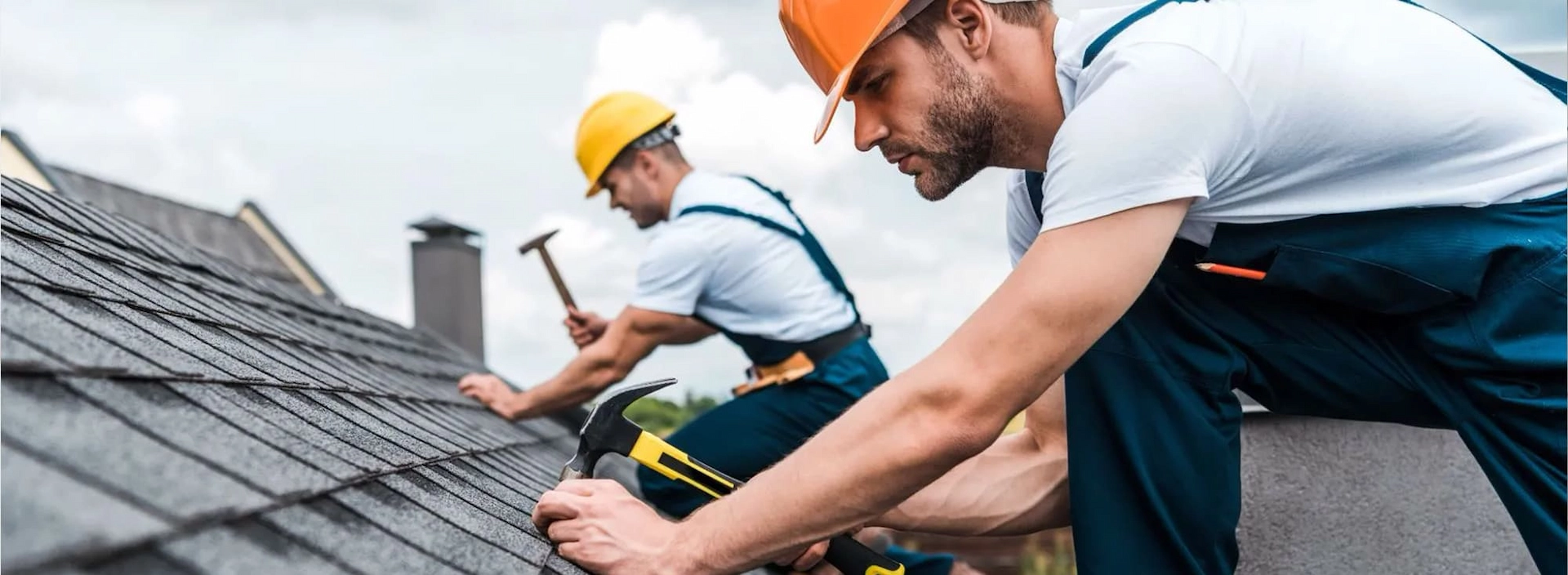
New York Roofing Decisions Depend on Winter Storms, Coastal Rain, Flat Roofs, Older Homes, and Roof Age
A Brooklyn flat-roof leak is not the same conversation as a Buffalo ice-dam repair, a Rochester lake-effect snow review, or a Hudson Valley shingle replacement. City, county, borough, roof type, shingle age, flashing condition, roof pitch, attic ventilation, coastal exposure, snow load, and ZIP code can all change the next roofing step.
Weather risk is real in New York. NOAA NCEI reports 95 billion-dollar weather and climate disaster events affecting New York from 1980-2024, including 48 severe storm events, 16 tropical cyclone events, and 21 winter storm events. That does not mean every roof has storm damage, but it does show why wind uplift, flashing, roof edges, coastal moisture, ice exposure, drainage, and hidden leak paths should be checked after major weather.
Roof Repair
Repair may be appropriate when the issue is isolated, such as a leak near flashing, loose shingles, low-slope drainage failure, roof-edge ice damage, vent boot failure, tree impact, or a small storm-related concern.
Roof Replacement
Replacement becomes more realistic when shingles are near the end of their life, leaks keep returning, flat sections keep failing, or wind, winter weather, coastal rain, and roof-age issues appear across multiple areas.
Roof Inspection
An inspection helps homeowners understand roof condition before choosing repair or replacement, especially after coastal rain, wind, snow, ice, severe storms, real estate activity, or repeated leak problems.
Storm Damage
New York storm damage can involve wind uplift, fallen branches, tropical rain, winter ice, flashing movement, flat-roof drainage failure, roof edge damage, or several issues at once. Documentation can matter before repairs begin.
New York Hiring Note: Deductible Promises, Deposit Demands, and Insurance Claim Control Are Red Flags
New York General Business Law §771-B is specific for roofing work: a roofing contractor may not advertise or promise to pay or rebate any portion of an insurance deductible as an inducement to sell roofing services, may not require an owner to provide a deposit for roofing work and materials, and may not report, adjust, or negotiate an insurance claim on behalf of the owner. New York State Attorney General guidance also says home improvement contractors must be licensed in New York City, Suffolk, Nassau, Westchester, Putnam, Rockland, and Buffalo, and that home improvement work over $500 must use a written contract. Be careful with anyone who promises a “free roof,” offers to cover your deductible, asks for a deposit before roofing work, tries to control the insurance claim, refuses license details where required, avoids a written scope, requests cash only, or rushes repair-versus-replacement decisions before the roof is properly reviewed.
NYC Flat Roof and Drainage Review
New York City roofs may need checks around low-slope sections, drains, scuppers, parapets, skylights, chimneys, flashing, roof edges, and leak paths after heavy rain or coastal storms.
Long Island Coastal Wind and Rain
Nassau and Suffolk roofs should be reviewed for wind-driven rain, salt exposure, lifted shingles, flashing movement, roof edge wear, attic ventilation issues, and tropical storm indicators.
Buffalo and Rochester Snow Wear
Western New York roofs often need review around lake-effect snow, ice dams, roof edge wear, gutters, valleys, flashing movement, attic ventilation, and winter leak paths.
New York Roof Cost Reality
A low number means very little without roof size, pitch, flat-roof sections, winter exposure, tear-off, decking, ventilation, flashing, material, deductible rules, license requirements, warranty, and cleanup written into the estimate.
Need Help Choosing the Right New York Roofing Path?
Call once and explain the city, county, borough, ZIP code, roof issue, and whether the concern is repair, replacement, inspection, coastal rain, wind, snow, ice dams, flat-roof leakage, or storm damage.
New York Roofing FAQ
How do I know if my New York roof needs repair or replacement?
Repair may be enough when the issue is isolated and the surrounding roof is still in good condition. Replacement evaluation may make sense when the roof is older, leaks keep returning, flat sections keep failing, or multiple areas show winter, moisture, or storm wear.
Should I get a roof inspection after snow, ice, wind, or coastal rain in New York?
Yes, if major weather passed nearby or if you notice damaged flashing, roof edge wear, ice-dam leaks, missing shingles, clogged drains, ceiling stains, branch impact, or new water entry.
What should I ask before hiring a New York roofing contractor?
Ask for local license details where required, written contract for work over $500, project scope, materials, timeline, payment schedule, proof of insurance, deductible-rule clarity, and confirmation that the contractor is not adjusting or negotiating your insurance claim.
Why do New York roofing costs vary so much?
Cost can change based on roof size, pitch, borough or county access, flat or low-slope sections, winter exposure, coastal moisture, tear-off, decking condition, flashing, ventilation, permits, warranty, and local labor.
Browse active New York roofing pages below by city, county, borough, ZIP code, and roof issue.
Roof Repair Services in Binghamton, NY
Local roofers in Binghamton 13905 handle roof repair, leak repair, and roof condition evaluation. Read more
Roofing Services Troy, NY – Roof Inspection and Replacement
Possible roof leaks or shingle damage in Troy 12180. Inspection recommended. Read more