
Find Colorado Roofing Help by Roof Issue, Hail Risk, Region, and ZIP Code
Colorado is not one roofing market. A roof in Denver may deal with large hail, intense sun, freeze-thaw cycles, wind, and fast-moving Front Range storms. A roof in Colorado Springs may face hail corridors, high elevation exposure, dry air, sudden temperature swings, and roof edge wear. Homes across Aurora, Fort Collins, Lakewood, Thornton, Pueblo, Boulder, Greeley, Arvada, Westminster, and Grand Junction can each face a different mix of roof age, slope, hail impact, snow exposure, wildfire debris, ventilation, and repair-versus-replacement decisions.
Use this Colorado hub to choose the closest roof situation, understand the local risk, and browse active roofing pages by city, county, ZIP code, and service type.
Choose the closest roof situation
Denver Metro and Front Range
Denver, Aurora, Lakewood, Thornton, Westminster, Arvada, Centennial, and Littleton roofs often deal with hail, high wind, intense sun, dry-air shingle aging, roof edge lift, and fast-moving severe storms.
Colorado Springs and Southern Front Range
Colorado Springs, Fountain, Castle Rock, Monument, Pueblo, and southern Front Range roofs can face hail corridors, elevation exposure, wind uplift, flashing stress, and repair-versus-replacement decisions.
Boulder, Fort Collins, and Northern Colorado
Boulder, Longmont, Fort Collins, Loveland, Greeley, Windsor, and northern Colorado homes may need roof review after large hail, spring storms, wildfire smoke, snow, and freeze-thaw cycles.
Western Slope and Mountain Communities
Grand Junction, Montrose, Durango, Glenwood Springs, Vail, Aspen, and mountain or Western Slope roofs can face snow exposure, wildfire debris, steep slopes, ice, wind, and UV-driven roof wear.

Colorado Roofing Decisions Depend on Hail, UV Exposure, Snow, Wildfire Risk, Wind, and Roof Age
A Denver hail inspection is not the same conversation as a Colorado Springs wind-damage review, a Fort Collins freeze-thaw roof leak, or a Vail snow-exposure replacement estimate. Hail size, roof pitch, shingle age, flashing condition, attic ventilation, elevation, wildfire debris, snow exposure, and ZIP code can all change the next roofing step.
Weather risk is real in Colorado. NOAA NCEI reports 76 billion-dollar weather and climate disaster events affecting Colorado from 1980-2024, including 42 severe storm events, 12 wildfire events, and 3 winter storm events. That does not mean every roof has storm damage, but it does show why hail impact, wind uplift, roof edges, flashing, ventilation, snow exposure, wildfire debris, and hidden leak paths should be checked after major weather.
Roof Repair
Repair may be appropriate when the issue is isolated, such as a leak near flashing, loose shingles, wind-lifted roof edges, vent boot failure, hail impact, snow-related wear, or a small storm-related concern.
Roof Replacement
Replacement becomes more realistic when shingles are near the end of their life, leaks keep returning, hail has affected multiple roof sections, or UV, wind, snow, and exposure damage appear across the roof system.
Roof Inspection
An inspection helps homeowners understand roof condition before choosing repair or replacement, especially after large hail, high wind, snow, freeze-thaw cycles, wildfire debris, real estate activity, or repeated leak problems.
Storm Damage
Colorado storm damage can involve hail impact, wind uplift, flying debris, heavy snow, flashing movement, roof edge damage, wildfire debris, or several issues at once. Documentation can matter before repairs begin.
Colorado Hiring Note: Deductible Waivers, Public Adjuster Claims, and Insurance-Claim Pressure Are Red Flags
Colorado roofing law is specific: when roof work is paid from property insurance proceeds, a roofing contractor may not advertise or promise to pay, waive, or rebate any part of the homeowner’s insurance deductible. Colorado law also says a roofing contractor soliciting roofing services may not claim to be or act as a public insurance adjuster. If an insurance-funded roofing claim is denied in whole or in part, the homeowner may have a 72-hour right to rescind the roofing contract after receiving the insurer’s written denial. Be careful with anyone who promises a “free roof,” offers to cover your deductible, pushes you to sign after hail, tries to control the insurance claim, avoids a written scope, refuses proof of insurance, requests full payment upfront, or rushes repair-versus-replacement decisions before the roof is properly reviewed.
Denver Hail Roof Review
Denver-area roofs may need checks around bruised shingles, granule loss, dented vents, ridge caps, gutters, valleys, flashing, skylights, and roof edges after large hail.
Colorado Springs Wind and Elevation Wear
Southern Front Range roofs often need review around lifted shingles, flashing movement, exposed fasteners, roof edges, attic ventilation, dry-air cracking, and wind-driven leaks.
Mountain Snow and Wildfire Debris
Vail, Aspen, Durango, Glenwood Springs, and mountain-area roofs should be reviewed for snow exposure, ice edges, wildfire ash, gutter debris, ventilation issues, and steep-slope moisture paths.
Colorado Roof Cost Reality
A low number means very little without roof size, pitch, hail scope, tear-off, decking, ventilation, flashing, material, deductible rules, warranty, and cleanup written into the estimate.
Need Help Choosing the Right Colorado Roofing Path?
Call once and explain the city, county, ZIP code, roof issue, and whether the concern is repair, replacement, inspection, hail, high wind, snow, wildfire debris, freeze-thaw wear, or storm damage.
Colorado Roofing FAQ
How do I know if my Colorado roof needs repair or replacement?
Repair may be enough when the issue is isolated and the surrounding roof is still in good condition. Replacement evaluation may make sense when the roof is older, leaks keep returning, or multiple roof sections show hail, wind, UV, or winter wear.
Should I get a roof inspection after hail, snow, or high wind in Colorado?
Yes, if major weather passed nearby or if you notice granules in gutters, dented vents, missing shingles, damaged flashing, roof edge lift, ceiling stains, snow-related leaks, or new water entry.
What should I ask before hiring a Colorado roofing contractor?
Ask for written scope, total price, materials, warranty terms, payment schedule, proof of insurance, permit responsibility, cleanup plan, projected completion date, and confirmation that no deductible waiver or public adjuster claim is being made.
Why do Colorado roofing costs vary so much?
Cost can change based on roof size, pitch, hail scope, wind exposure, snow exposure, tear-off, decking condition, material choice, flashing, ventilation, access, disposal, warranty, and local labor.
Browse active Colorado roofing pages below by city, county, ZIP code, and roof issue.
Compare Roof Replacement Contractors in Aurora, CO

New roof installation options for homeowners in Aurora, Colorado 80016. Review scope, materials, and contractor recommendations. Read more
Storm Damage Roof Repair Thornton CO
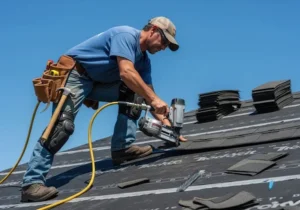
Storm damaged roof contractors serving Thornton, Colorado 80241. Read more
Roof Repair After Storm Littleton CO
Storm damaged roof contractors serving Littleton, Colorado 80126. Read more
Residential Roof Replacement in Wellington, CO
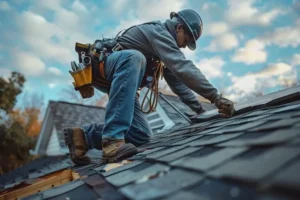
Residential roof replacement support in Wellington 80549. Local roofing contractors can evaluate full replacement needs. Read more
Local Roof Repair Contractors in Colorado Springs, CO
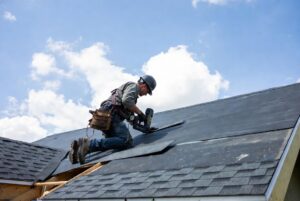
Residential roof repair services in Colorado Springs 80911. Compare local options for leak repair and shingle repair. Read more
Roof Repair Services in Englewood, CO

Roof repair contractors in Englewood, Colorado 80111. Local roofing contractors can evaluate leaks, shingles, and flashing concerns. Read more
New Roof Replacement in Longmont, CO
Roof replacement evaluations from local roofing contractors serving Longmont 80503. Understand whether replacement makes sense. Read more
New Roof Replacement in Denver, CO
New roof installation options for homeowners in Denver, Colorado 80202. Review scope, materials, and contractor recommendations. Read more
Roof Replacement Contractors in Silverthorne, CO
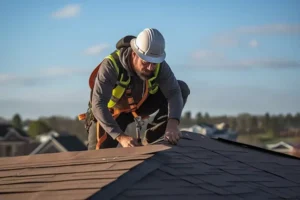
Homeowners in Silverthorne can compare roof replacement recommendations from local roofing professionals. Read more
Compare Roof Replacement Contractors in Broomfield, CO
Roof replacement contractors serving Broomfield, Colorado 80020. Compare local options before choosing the next step. Read more
Roof Inspection Services in Peyton, CO
Roof inspection services in Peyton, Colorado 80831. Local roofing contractors can review visible and hidden roof concerns. Read more
Roof Inspection Services in Glenwood Springs, CO
Local roofing contractors in Glenwood Springs, Colorado can provide roof inspections and condition evaluations. Read more
Roof Repair Contractors in Colorado Springs, CO
Residential roof repair services in Colorado Springs 80907. Compare local options for leak repair and shingle repair. Read more
Roof Inspection Services in Bailey, CO
Residential roof inspection contractors serving Bailey, Colorado 80421. Review shingles, flashing, gutters, and leak concerns. Read more
Storm Damaged Roof Contractors Lafayette CO
Storm damaged roof contractors serving Lafayette, Colorado 80026. Read more