
58 mph wind hit Unalaska. Shingles can look flat and still be loose.
For homeowners whose roof was hit by this storm and who want it measured and priced for replacement.
Why a roof can look flat and still be loose
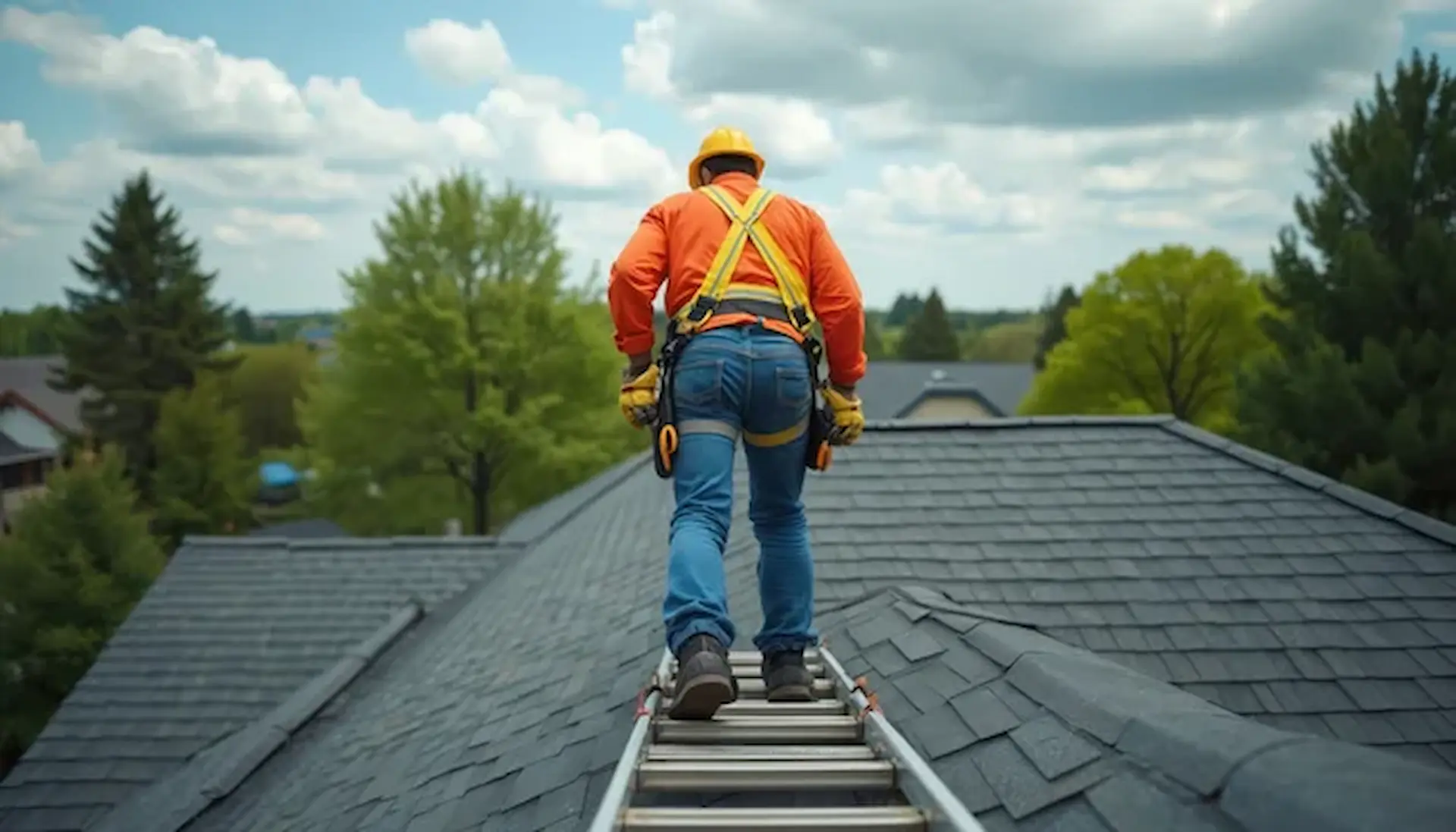
Wind damage is a bond failure before it is a visible one. The adhesive strip that holds each course down releases, the tab lifts, and gravity lays it back roughly where it was. From the ground the field still reads as a straight line.
What has changed is underneath. The tab is creased where it folded, the fastener heads have moved in the deck, and the course above has lost the anchor that kept its bottom edge down. That is a slope-wide condition, not a single shingle.
How this works
- You callOne number. Say you are in Alaska and that 58 mph wind was recorded on September 25, 2026; the call routes to a roofing contractor covering your area.
- A contractor comes outSomeone gets on the roof and looks at what 58 mph wind actually did - which slopes are affected, and how far the damage runs across each one.
- You get the scope in writingYou get a written scope: the affected slopes, the damage spread, dated photographs and a measured diagram - the record the price is built from.
The address and the roof's age are all you need to make the call.
Why one quote comes in thousands under the other
The number at the bottom of a quote is not an opinion about your roof. It is a calculation: so many squares of shingle, so much tear-off, this much metal at the edges, this many hours on site. Change what is on that list and the number moves by thousands without anybody disagreeing about rates.
What changes the list is where the contractor stood. Someone who worked along the ridge and the rakes knows how far the broken seal actually runs; someone who stayed on the ground is pricing what could be seen from it. That measured run is the area, and the area is what a slope replacement is priced on.
What a replacement actually involves

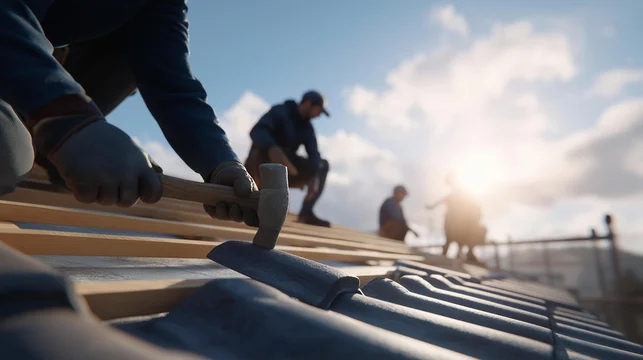
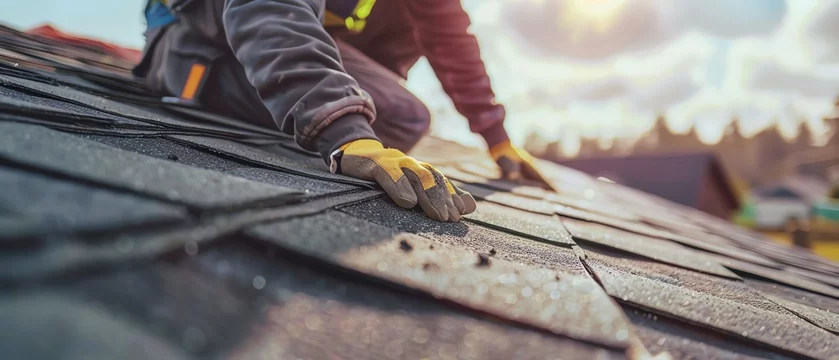
A replacement is measured on the roof and priced in writing. One call starts that.
Questions homeowners ask first
The roof looks fine from the ground. Can it still be damaged?
Yes, and that is the usual case after high wind. The failure is in the adhesive bond between courses, not in the shingle face. A tab that has been lifted and set back down looks flat from the driveway and is no longer holding the course above it.
What does a roofing contractor document when assessing storm damage in Unalaska?
A roofing contractor typically measures wind damage by examining the roof for areas where shingle seal bonds may have weakened, especially in corners, edges, and ridges. They will note any visible damage and the extent of any compromised areas, particularly if gusts exceeded 58 mph, which is classified as damaging wind.
When is a roof slope replaced rather than patched after wind damage?
A roof slope is generally replaced rather than patched when the damage is extensive, impacting a large area of the slope. If the wind pressure has caused significant damage, particularly around edges and ridges where pressure is more intense, a full replacement may be necessary.
58 mph was recorded over Alaska
Measured on September 25, 2026 near Unalaska, Alaska. A broken seal does not re-bond on its own, so the next storm lifts the same tabs further than this one did. One call is enough to find out whether your slopes need replacing, and what a contractor would put in writing.